Sewer Camera Inspections in Lancaster, CA
Instead of guessing at what's happening inside your main line, we send a waterproof camera down it and watch the footage live. You see the roots, the crack, the belly, or the grease exactly where it sits, so the next decision is based on the pipe itself and not a hunch.
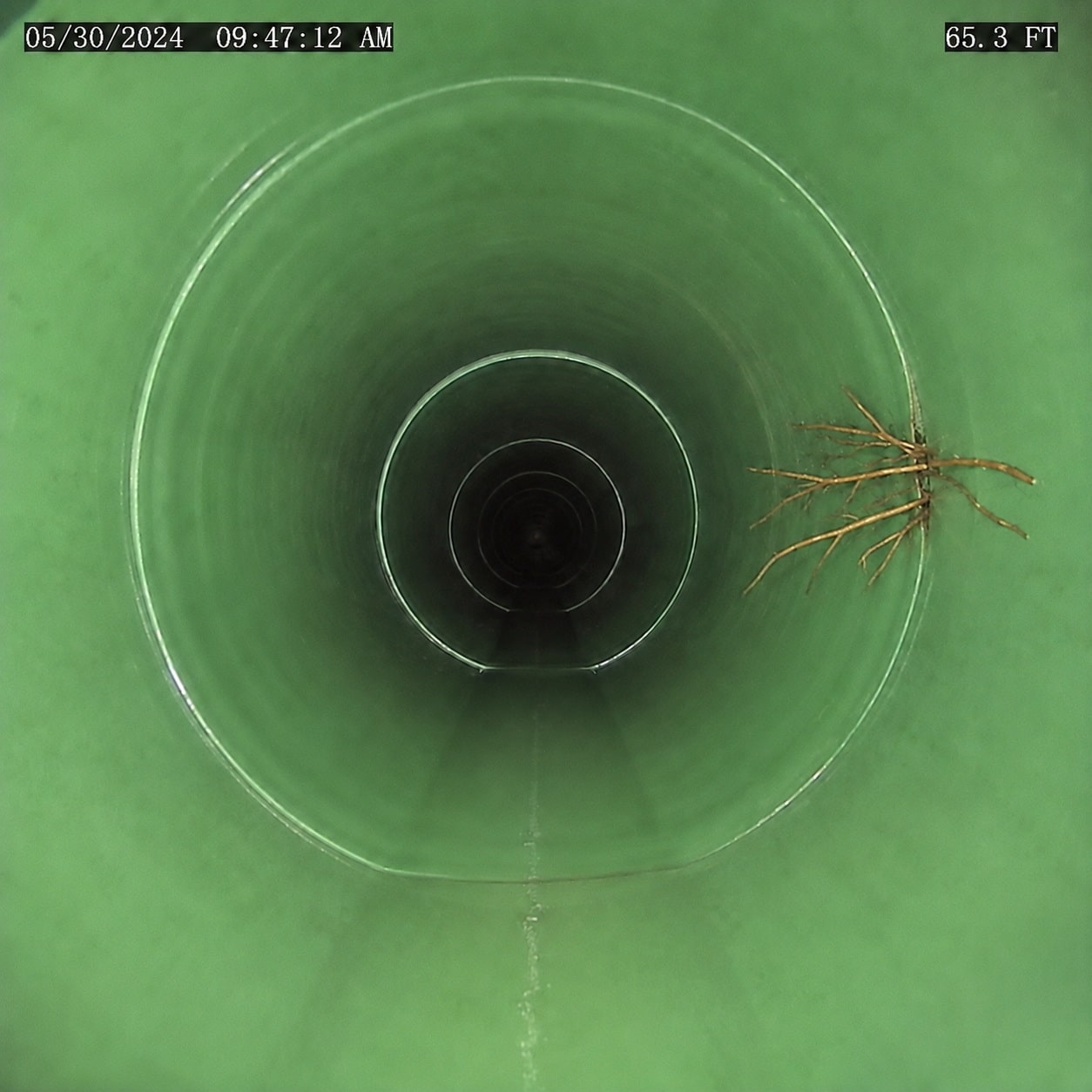
A sewer line is buried, so recurring backups can be difficult to diagnose from the surface. Arctic Air & Plumbing uses a waterproof camera to inspect accessible sections of the line and document visible problems such as roots, buildup, damaged joints, and broken pipe.
You can schedule an inspection for a recurring drain problem, before sewer work, or before buying a home. We’ve served homeowners in Lancaster and the Antelope Valley since 2009.
Dealing with repeated backups or checking a sewer line before you buy? Call (661) 214-8018. We answer 24/7.
What Is a Sewer Camera Inspection?
A sewer camera inspection provides a live view inside an accessible drain or sewer line. A plumber feeds a waterproof camera attached to a flexible cable through a cleanout or another suitable opening.
The camera records visible conditions inside the pipe. Depending on access and the condition of the line, it may reveal buildup, roots, damaged joints, cracks, standing water, or a collapsed section.
A camera doesn’t see through dirt, standing wastewater, or a solid blockage. It also can’t inspect the outside of the pipe or prove that every joint is watertight. In some cases, the line must be cleaned before the camera can provide a useful view.
When a Sewer Camera Inspection Makes Sense
Not every slow sink or shower drain requires a sewer inspection. A camera is more useful when the symptoms suggest a deeper or recurring problem.
Clogs that keep returning.
If a line is cleared but backs up again, a camera may reveal roots, buildup, damaged pipe, or another visible obstruction.Several fixtures backing up together.
Wastewater appearing in a tub, shower, or floor drain when another fixture is used can indicate a problem in the building drain or sewer lateral.A home purchase.
A sewer scope can document visible conditions in the line before responsibility for future repairs transfers to the buyer.Before planning a sewer repair.
Inspecting the accessible pipe can help identify the type and approximate location of visible damage before repair options are discussed.Older sewer piping.
Clay, cast-iron, and other older materials may develop roots, corrosion, separated joints, or structural damage. A camera can document visible defects but can’t predict exactly how long the line will last.An unknown pipe route or buried cleanout.
When equipment access allows, we can use the camera’s locating signal to help trace the line and search for a cleanout that has been covered.
Not sure whether a camera is the right next step? Tell us which fixtures are affected, how often the problem happens, and what work has already been tried. We’ll help determine whether the line should be inspected or cleaned first.
How a Sewer Camera Inspection Works
We first identify a suitable access point, usually a sewer cleanout. If one isn’t available, the plumber will determine whether another opening can be used safely.
The camera is then advanced through the accessible portion of the pipe while the plumber watches the live video. We note visible obstructions, changes in pipe material, standing water, damaged sections, and locations where the camera can’t continue.
If the camera system and site conditions allow, compatible locating equipment can detect the transmitter in the camera head from the surface. This helps trace the route of the pipe or narrow down the location of a visible problem. It doesn’t automatically determine the pipe’s exact depth.
You can view the footage during the inspection. We can also provide a recording afterward for your records or to share during a real-estate transaction.
What We Look for Inside the Line
A sewer camera documents visible conditions inside the pipe. Common findings include:
Root intrusion.
Roots entering through a crack or joint and restricting the path through the pipe.Cracks, breaks, or collapse.
Visible structural damage ranging from a cracked pipe wall to a section the camera can’t pass.Standing water.
Water remaining in a gravity sewer may indicate a low spot, poor slope, an obstruction, or another drainage problem. Further evaluation may be needed to confirm the cause.Offset or separated joints.
Pipe sections that no longer align correctly and may catch waste or allow roots to enter.Corrosion and scale.
Rough buildup or deterioration that narrows the opening inside older metal pipe.Grease, sediment, and debris.
Material collecting inside the line and reducing its usable diameter.Foreign objects.
Items lodged in the pipe that interfere with drainage or prevent the camera from moving farther.Pipe material and transitions.
The footage may show where the line changes from one material to another and whether visible defects are present near that transition.
The findings help guide the next step. A removable obstruction may call for drain cleaning. Cracked, separated, or collapsed piping may require sewer line repair or replacement. We’ll explain what the footage supports before recommending work.
What You Receive From the Inspection
A live view of the line.
You can see what the plumber sees as the camera moves through accessible sections of the pipe.A copy of the footage.
We can provide a recording for your records or a real-estate transaction.An explanation of visible findings.
We’ll point out blockages, roots, pipe damage, standing water, and any areas the camera couldn’t inspect.A recommended next step.
That may be cleaning, additional testing, a targeted repair, replacement, or no immediate work based on what the inspection shows.Standalone scheduling.
You can book a camera inspection without committing to a sewer repair.
Buying a Home? Check the Sewer Line Before Closing
A general home inspection typically doesn’t include an internal camera inspection of the sewer lateral unless that service is added separately. That leaves an important buried section of the plumbing unseen.
A pre-purchase sewer inspection may identify visible roots, damaged joints, standing water, buildup, or older pipe materials before the sale closes. It can also document portions of the line that couldn’t be inspected because of limited access or an obstruction.
The inspection can’t guarantee that the line will never fail or detect every concealed defect. It gives you more information about its visible condition so you can discuss findings with the seller, your real-estate agent, or another appropriate professional.
Backed Up or Draining Slow Across the Whole House?
Several drains backing up, or sewage coming up through a tub or floor drain? Stop running water and call Arctic Air & Plumbing. We’ll camera your line, tell you what’s going on, and give you a price before any work begins.
Call (661) 214-8018 anytime, or contact us online. Financing is available to help spread out the cost of a larger repair or replacement.
No one knows home care like the polar bear.
Serving Lancaster & the Antelope Valley

Lancaster is our home base, and we treat every neighboring community like our own. Don’t see your town on the list? Give us a call, there’s a good chance we can still help.